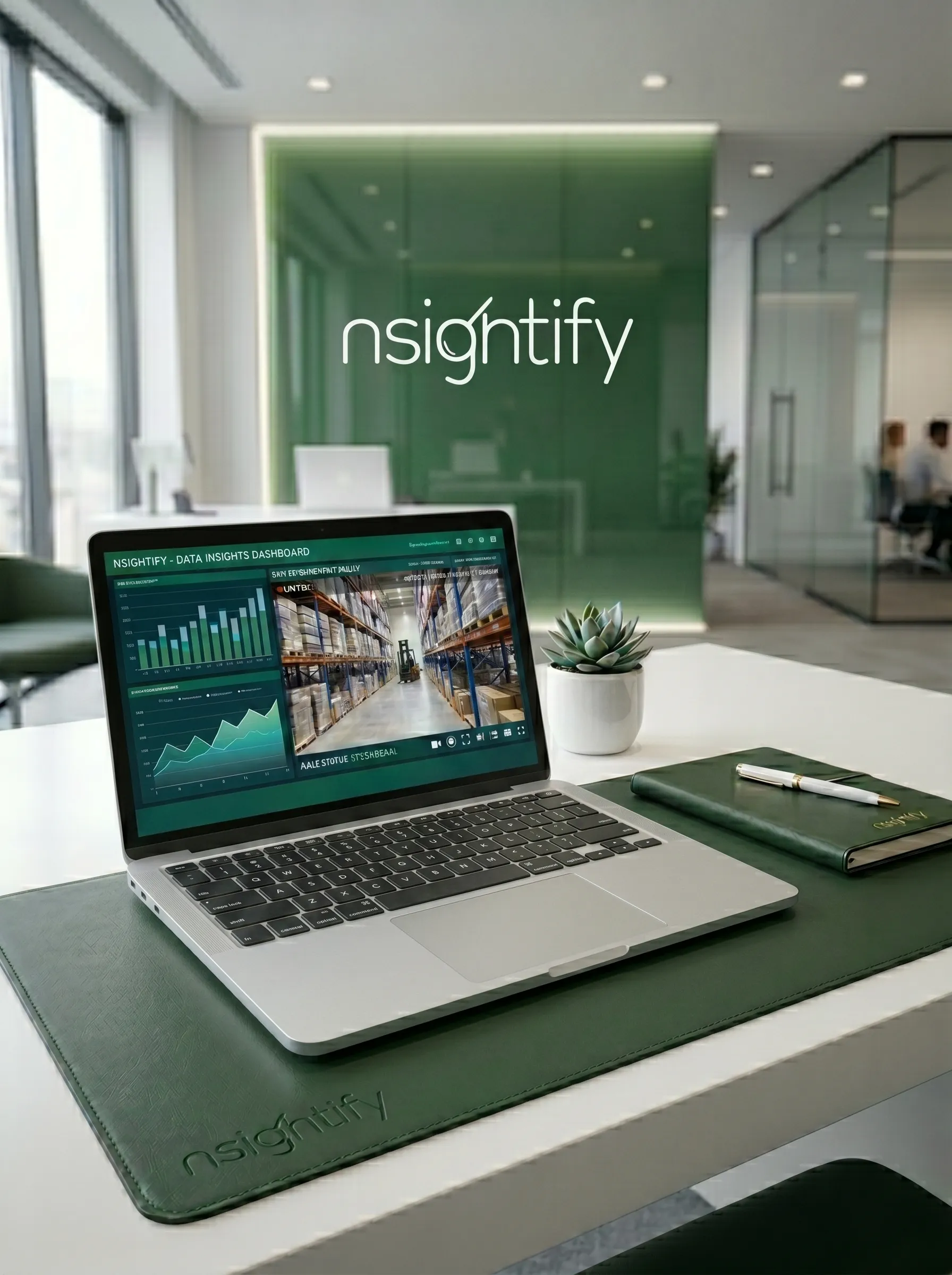
Real-Time Physical Safety Monitoring on Cameras You Own
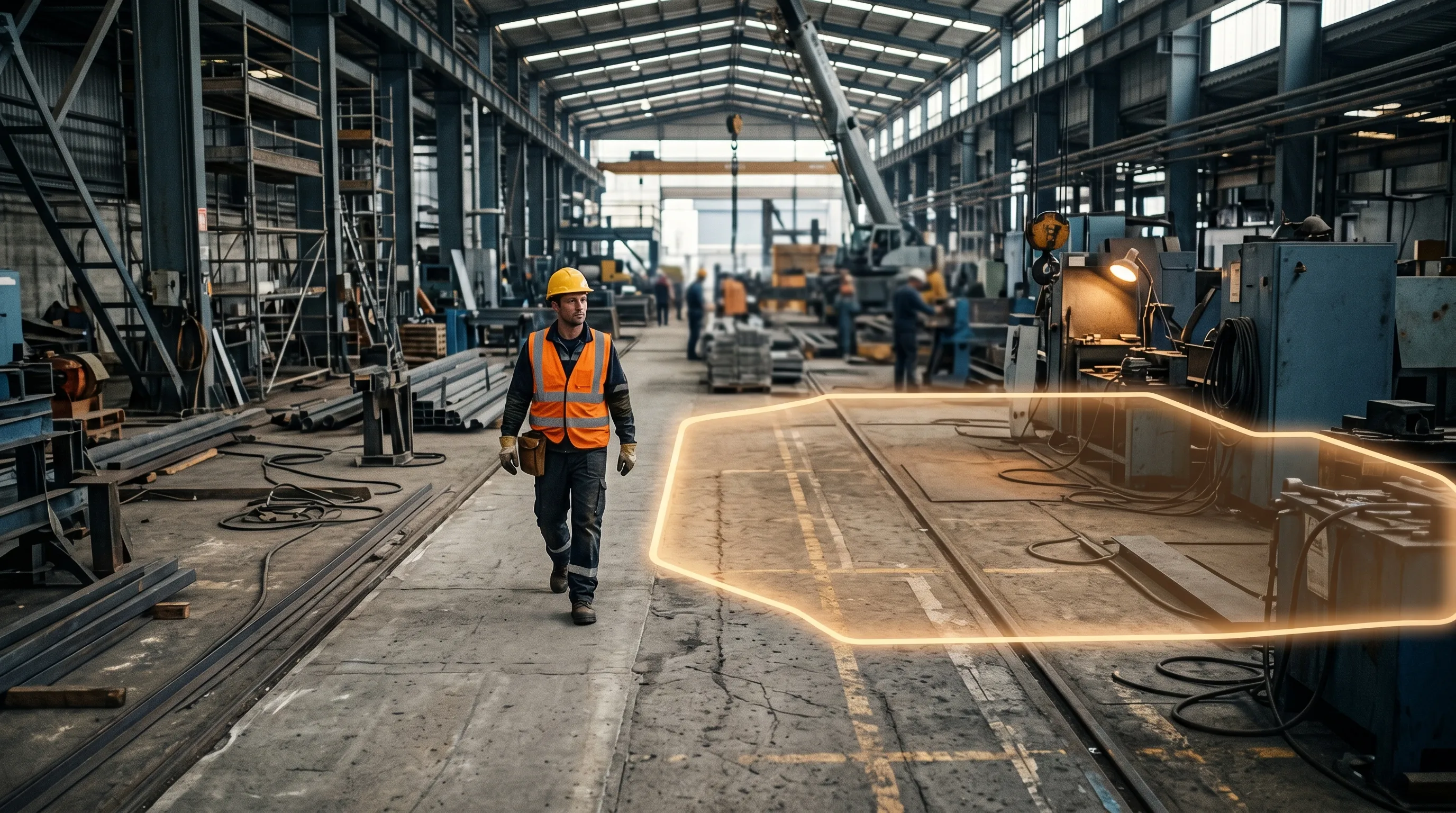
Your Safety Checks Happen Twice a Day. Hazards Happen Every Minute.
Here’s how most safety programs work. A supervisor does a walkthrough in the morning. Maybe another in the afternoon. They note what they see, flag what’s wrong, and move on to the other ninety things on their list.
The rest of the day? Nobody’s watching. And hazards don’t wait for the walkthrough.
A worker steps into a swing radius without a hard hat. A forklift rounds a blind corner toward a pedestrian. A spill sits unnoticed by a high-traffic lane. By the time anyone finds out, it’s an incident report — not a prevented incident.
The gap between “we checked this morning” and “what’s happening right now” is where injuries, liability, and failed audits live. Closing that gap is exactly what real-time physical safety monitoring is built to do.
Why Manual Safety Monitoring Keeps Falling Short
It isn’t a discipline problem. It’s a coverage problem.
A safety walkthrough is a snapshot. It captures one moment, in one place, through one person’s attention. But a busy site is in constant motion across dozens of zones at once. No supervisor can be everywhere, and no one can hold a hundred camera feeds in their head while also doing their actual job.
So three things slip through:
- Point-in-time blindness. Conditions that are fine at 8 a.m. aren’t fine at 2 p.m. — and the next check is hours away.
- Inconsistent enforcement. Two supervisors, two different standards for what counts as a violation. Compliance becomes a matter of who’s watching.
- After-the-fact discovery. The most serious events — a fall, an unconscious worker — are often found late, precisely when minutes matter most.
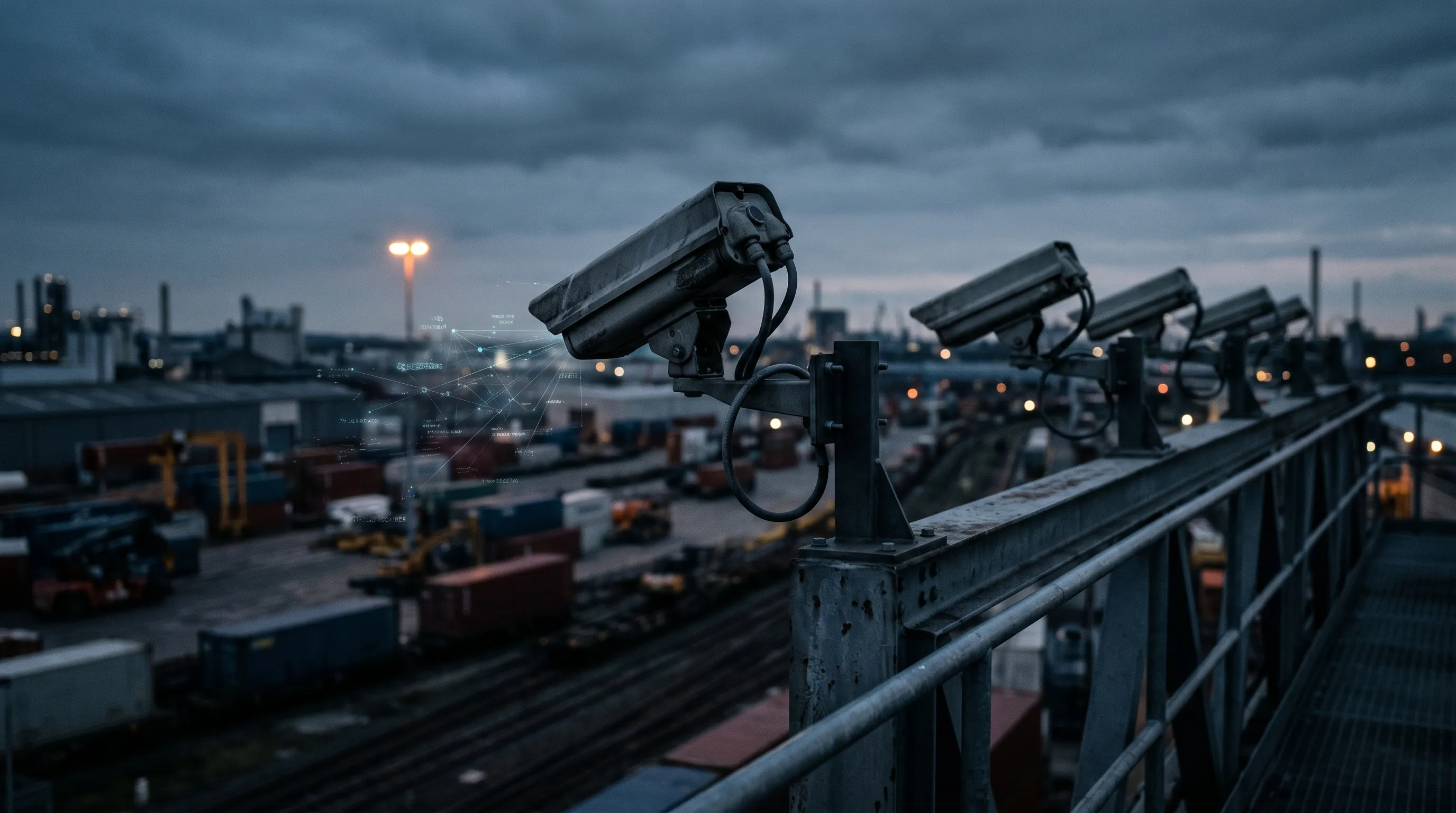
You already have cameras covering most of these areas. The footage exists. It’s just not being watched in a way that helps anyone in the moment.
What Real-Time Physical Safety Monitoring Software Catches
This is where computer vision changes the math. Instead of a person sampling a few moments a day, software watches every feed continuously and recognizes the conditions that lead to incidents — the instant they appear.
For physical safety, that means surfacing things like:
- Protective equipment compliance. Flag when someone is in an area without the hard hat, vest, or other required gear — every time, not just when a supervisor happens to be looking.
- Hazard-zone enforcement. Know the moment a person enters a restricted or dangerous area — near heavy equipment, an open edge, or an active work zone.
- Forklift–pedestrian proximity alerts. Detect when a pedestrian comes dangerously close to an active forklift — before the near-miss becomes a collision.
- Blocked-exit and egress-path detection. Catch when an emergency exit or evacuation route is obstructed, so it gets cleared before it matters.
- Commotion and altercation detection. Identify sudden, erratic movement that signals a fight or panic, and alert the right people immediately.
Each of these becomes a real-time alert sent to the people who can act, rather than a clip discovered after the fact. The walkthrough still happens. It’s just no longer the only thing standing between a hazard and a response.
What This Changes for the People Responsible
For an operations or site manager, the payoff is practical and direct:
- Fewer incidents, because risky conditions get caught and corrected while they’re still just conditions — not events.
- Consistent enforcement, because the standard is applied the same way across every zone, every shift, every time.
- Cleaner audits, because you’re working from continuous monitoring and a real record of conditions, not a binder of twice-daily notes.
- Faster response to the events that genuinely can’t wait.
Customers in asset-intensive industries report that the biggest shift isn’t any single feature — it’s moving from finding out what happened to being told while it’s happening. That’s the difference between a safety program that documents incidents and one that prevents them.
You Don’t Need New Cameras to Do This
The objection most teams raise first is hardware. They picture new cameras, new sensors, and a capital project they don’t have the budget or appetite for this year.
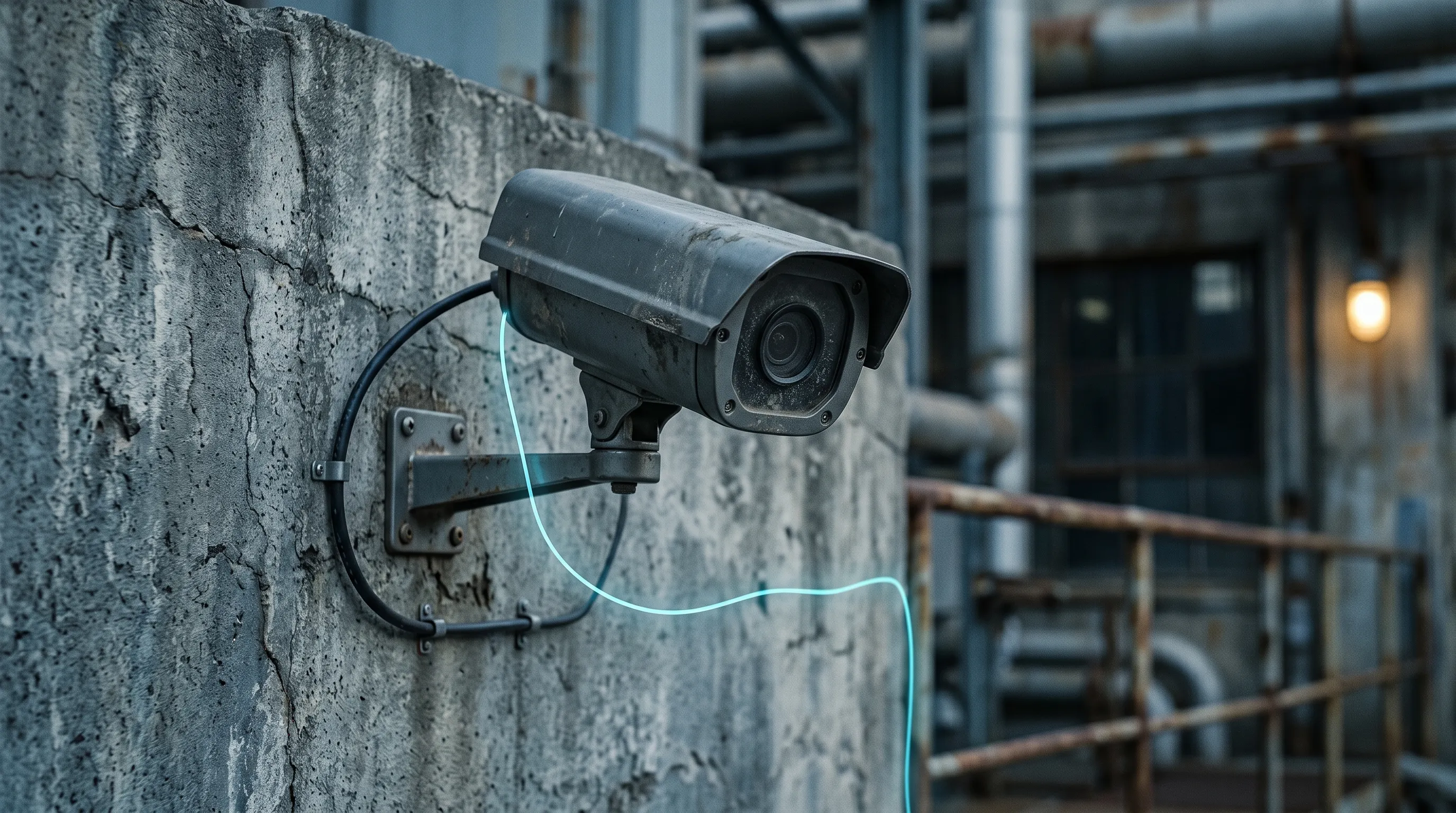
That’s not how Nsightify works. The platform runs on the cameras you already have. Your existing IP cameras connect directly to the Nsightify platform, or stream up through a lightweight Nsightify edge bridge where a direct connection isn’t practical. Integrations are designed to be effortless, so the system fits the way your site already runs.
There’s no long training period and no data science team to staff. You connect the feeds that were already recording and start getting physical safety alerts from them — on day one.
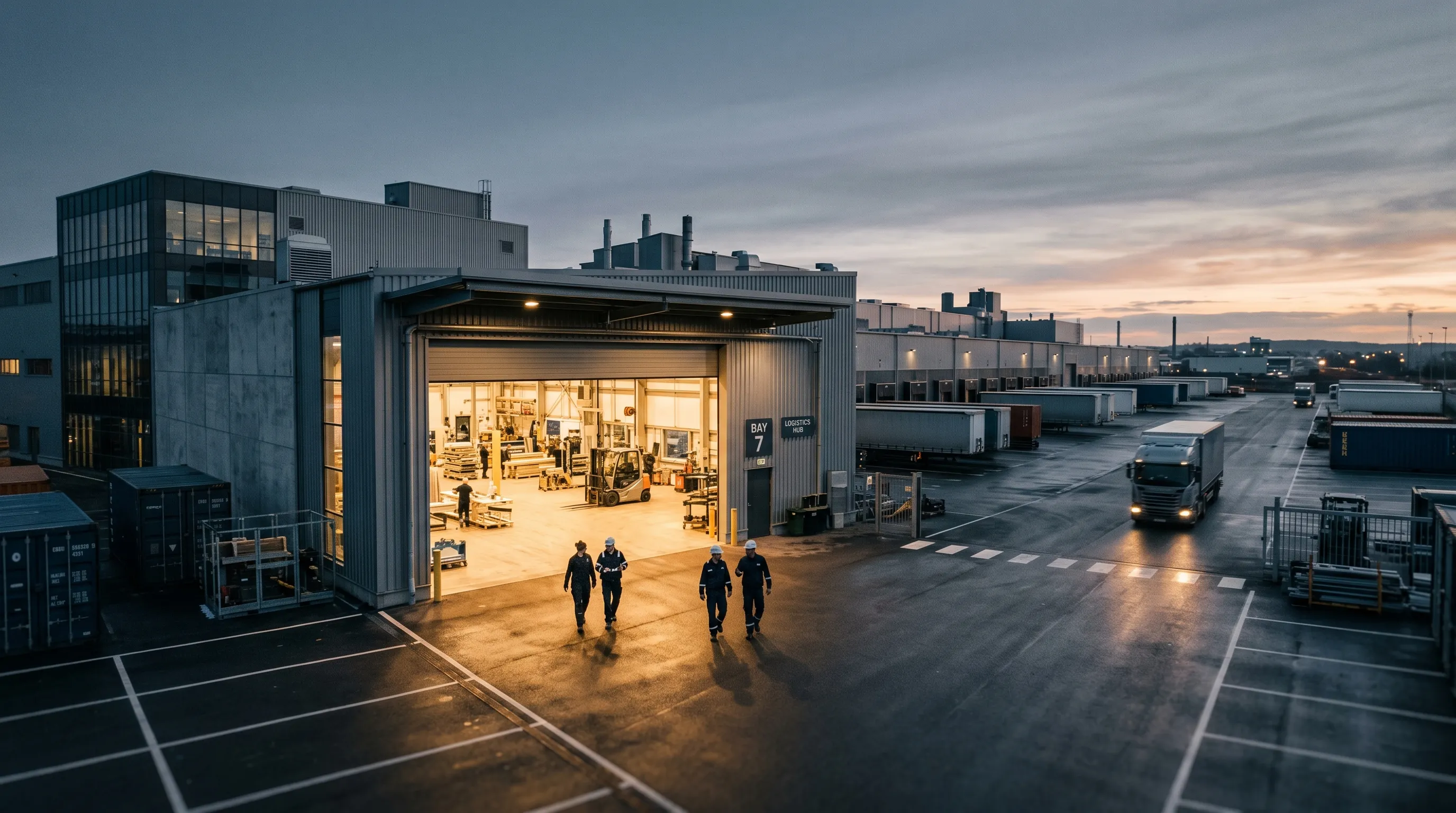
It works the same way across the environments where physical safety matters most: construction sites, logistics and storage operations, and manufacturing floors. Same platform, same approach, applied to whatever your cameras already cover.
For organizations with stricter compliance requirements, the platform also offers a Zero Trust deployment that keeps everything inside your own private network — but for most teams, getting started is as simple as a subscription and the cameras already on the wall.
The Check You Didn’t Make Is the One That Matters
Your team can’t watch everything, all the time. They were never supposed to. But your cameras already are — and with real-time physical safety monitoring software, those feeds can finally do something more useful than waiting to be reviewed after someone gets hurt.
Want to see real-time physical safety alerts running on your own camera feeds? Book a demo — or ask about joining the Nsightify pilot program while spots are open.
Keep reading:

See Nsightify in Action
We're onboarding a limited number of pilot partners. If you're an operations or security leader in construction, warehousing, or manufacturing — let's talk.